
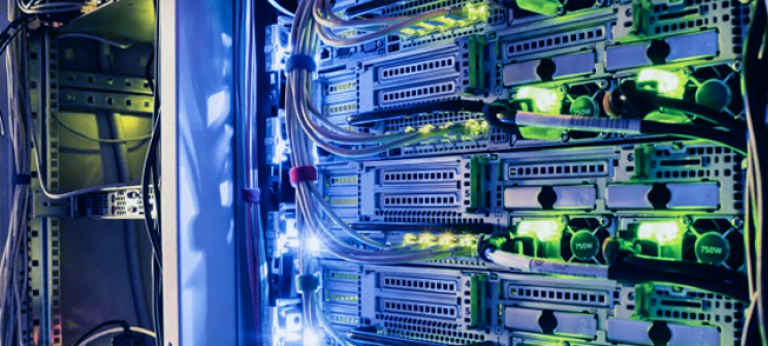
The internet has become an integral part of our daily lives, and with the growing demand for faster and more reliable internet connectivity, internet exchanges have emerged as a critical component of the global internet infrastructure. In this article, we will explore what internet exchanges are, their history, benefits, and challenges, and their current situation in the world and specifically in the Middle East.
What are Internet Exchanges?
Internet exchanges, also known as IXPs, are physical locations where internet service providers (ISPs), content providers, and other network operators connect their networks to exchange traffic. IXPs enable direct interconnection between networks, which allows for more efficient routing of internet traffic, reduces latency, and lowers costs for network operators.

History of Internet Exchanges
The first internet exchange was established in 1991 in Washington D.C., and since then, they have grown in popularity around the world. Today, there are over 700 internet exchanges globally, with some of the largest located in the United States, Europe, and Asia.
Benefits of Internet Exchanges
Internet exchanges offer several benefits, including:
- Improved network performance: By enabling direct interconnection between networks, IXPs reduce the distance that internet traffic has to travel, resulting in faster and more efficient network performance.
- Lower costs: IXPs reduce the need for expensive long-haul connections and leased lines, which can result in significant cost savings for network operators.
- Increased resilience: By providing multiple interconnection points, IXPs offer greater network redundancy and resilience.
Despite their many benefits, internet exchanges also face several challengesChallenges of Internet Exchanges
Despite their many benefits, internet exchanges also face several challenges. One of the most significant challenges is ensuring fair and equitable peering arrangements between network operators, especially when it comes to negotiating the terms of interconnection.
Internet Exchanges in the World and the Middle East
As previously mentioned, there are over 700 internet exchanges worldwide, with some of the largest located in the United States, Europe, and Asia. In the Middle East, internet exchanges are still relatively new, with the first IXP established in 2001 in Dubai. Today, there are several IXPs in the region, including in Bahrain, Egypt, Saudi Arabia, and the United Arab Emirates.
Internet exchanges play a critical role in enabling faster, more efficient, and cost-effective internet connectivity. While challenges remain, they continue to grow in popularity around the world and in the Middle East. As the demand for faster and more reliable internet connectivity continues to grow, we can expect to see even greater adoption of internet exchanges in the years to come.